Melons — Cantaloupe

Scientific NameCucumis melo
Growing Days80-90
Varieties We GrowHale’s Best
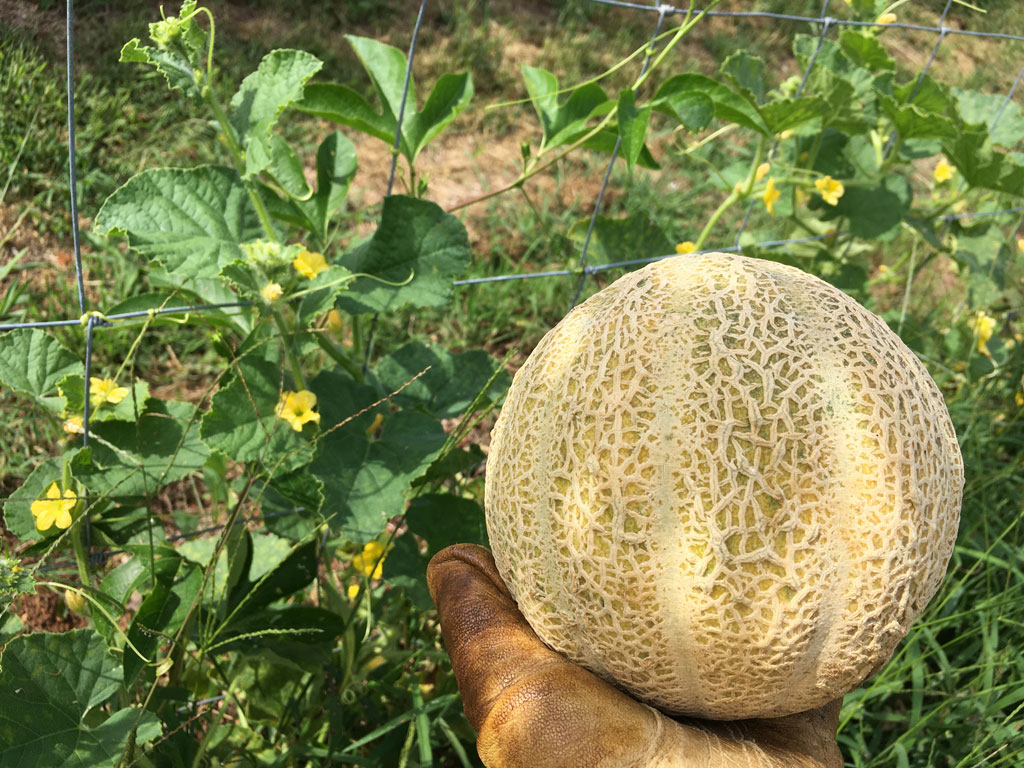
Growing NotesCantaloupes grow well if you trellis them. The vines will climb. It also helps to keep some of the fruit off of the ground out of easy reach of the resident critters.
Battle of the BugsEverything that gets the cucumber plant goes after the cantaloupes too (and groundhogs love them). Sigh…
Fun FactDid you know that the cantaloupe we think of is not actually a true cantaloupe? Apparently our “cantaloupes” are actually a type of muskmelon (real cantaloupe has a rough, warty rind and isn’t really available in the U.S.). Who knew?
Don’t Waste It!Cantaloupe has a pretty narrow window of peak ripeness (just a couple days). Don’t let a ripe one sit on the counter too long!

Malabar Spinach

Scientific NameBasella alba
Growing Days70-85
Varieties We GrowThis is the green leaved variety.
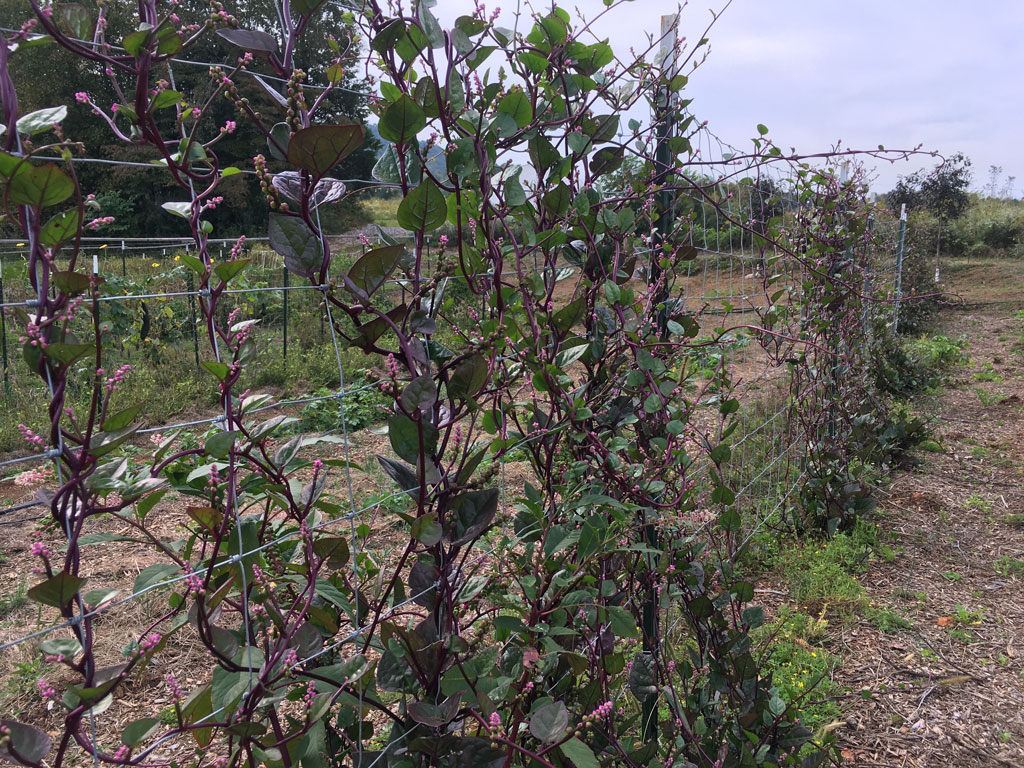
Growing Notes Malabar spinach loves it HOT! Give it enough water and it will produce edible leaves the entire summer. Soak the seeds before planting to give them a better chance of sprouting.
Battle of the BugsNothing has touched these vines so far.
Fun FactMalabar spinach isn’t really a spinach. It is a leafy green though. Bonus fun fact…the plant produces purple berries (not edible) that will stain your hands bright purple (ask me how I know) 🙂
Don’t Waste It!Eat it raw, or cook it just like you would spinach.

Luffa

Scientific NameLuffa aegyptiaca
Growing Days150-200 to get a fully dried luffa sponge…that’s a long time!
Varieties We GrowThere’s just luffa…
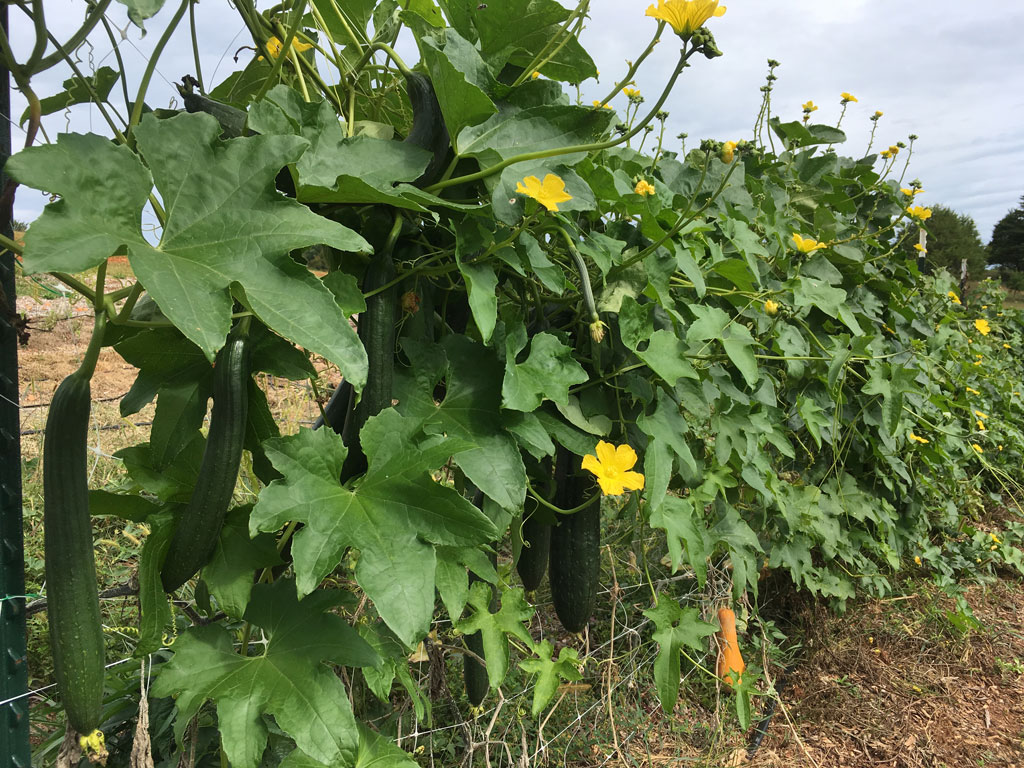
Growing NotesLuffa plants produce the prettiest, long-living yellow flowers well into late summer. The native bees love them! Even if we didn’t harvest luffas, it would be worth it to grow just to keep the bees happy.
Battle of the BugsSo far, the luffa plants haven’t had much trouble with bugs…hopefully it will stay that way 🙂
Fun FactWhich is it…”loofah,” “loofa,” or “luffa”? Who knows! They all seem right, though the luffa plant’s scientific name spelling is “luffa” so that’s what we stick with.
Don’t Waste It!The young luffa fruits are actually edible (up to about 6″ long) (peel them then treat them like zucchini). It’s way more fun to let them dry, peel them, remove the seeds, and use them as luffa sponges.

Lettuce

Scientific NameLactuca sativa
Growing Days65-70
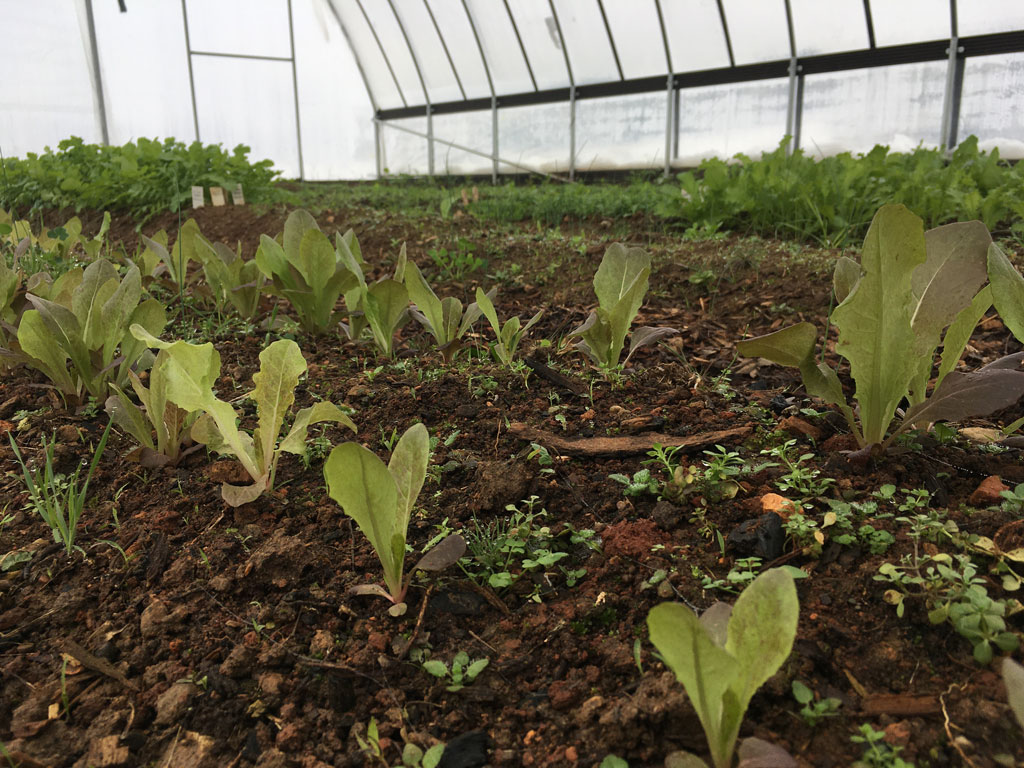
Varieties We GrowRed Romaine, Gourmet Leaf, Black Seeded Simpson, Newham, Red Speckled
Growing NotesLettuce bolts quickly even with just a few warm days.
Battle of the BugsLettuce does pretty well; it gets munched on by slugs and aphids but is generally hardy.
Fun FactLettuce and sunflowers are relatives…they both belong to the Asteraceae (“daisy”) family.
Don’t Waste It!Lettuce is great raw. If it gets a bit wilted, put it in a bowl of cold water and it might perk up. Eat it up before it gets all wet and yucky 🙂

Leeks

Scientific NameAllium ampeloprasum
Growing Days120-150…that’s 4-5 months!
Varieties We GrowAmerican Flag
Growing Notes Leeks take a long time to grow; the seeds are super tiny so they are tricky to germinate outside without getting washed away. Be patient with leeks!
Battle of the BugsThere’s a leek moth, but I’ve not seen one yet (maybe because our leeks have failed miserably so far).
Fun FactIf you cut a leek and leave the roots/stem, plant it and it might re-grow for you!
Don’t Waste It!Enjoy leeks as you would the other alliums.

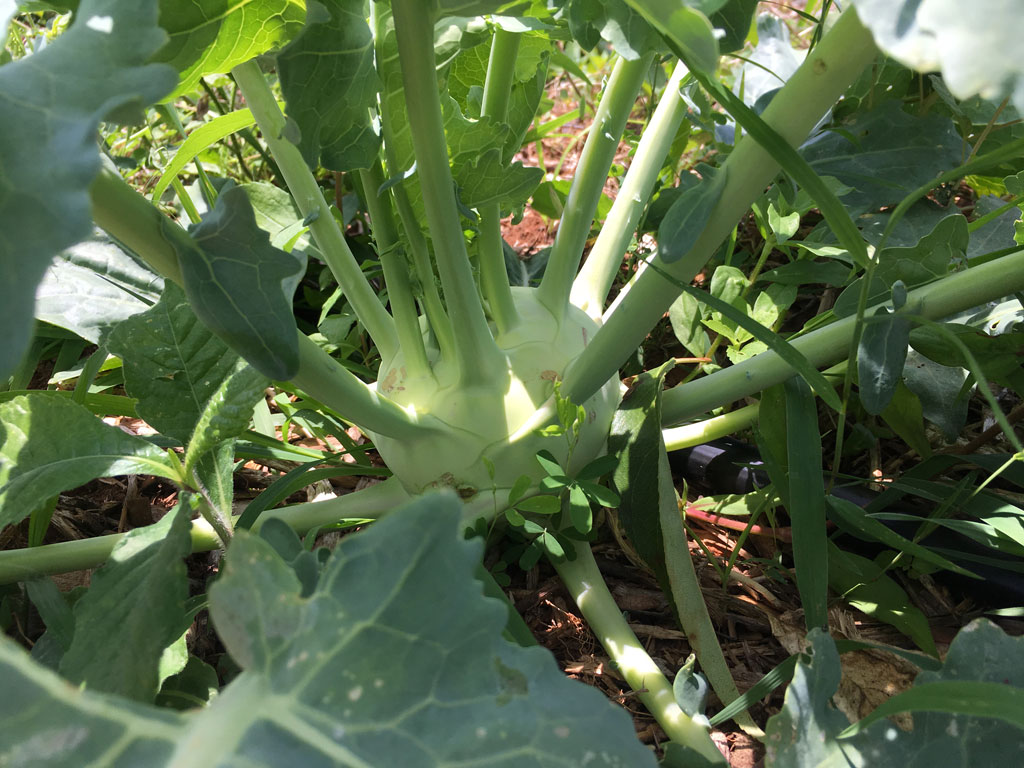
Kohlrabi

Scientific NameBrassica oleracea
Growing Days55-60
Varieties We GrowEarly White Vienna
Growing NotesKohlrabi grows similar to the rest of the brassicas. It likes cool weather!
Battle of the BugsAll the usual brassica suspects show up…cabbage loopers/worms/slugs/aphids.
Fun FactKohlrabi is named from German Kohl (“cabbage”) and RĂĽbe (“turnip”). 
Don’t Waste It!Peel the outer skin then enjoy it raw (or only slightly cooked).

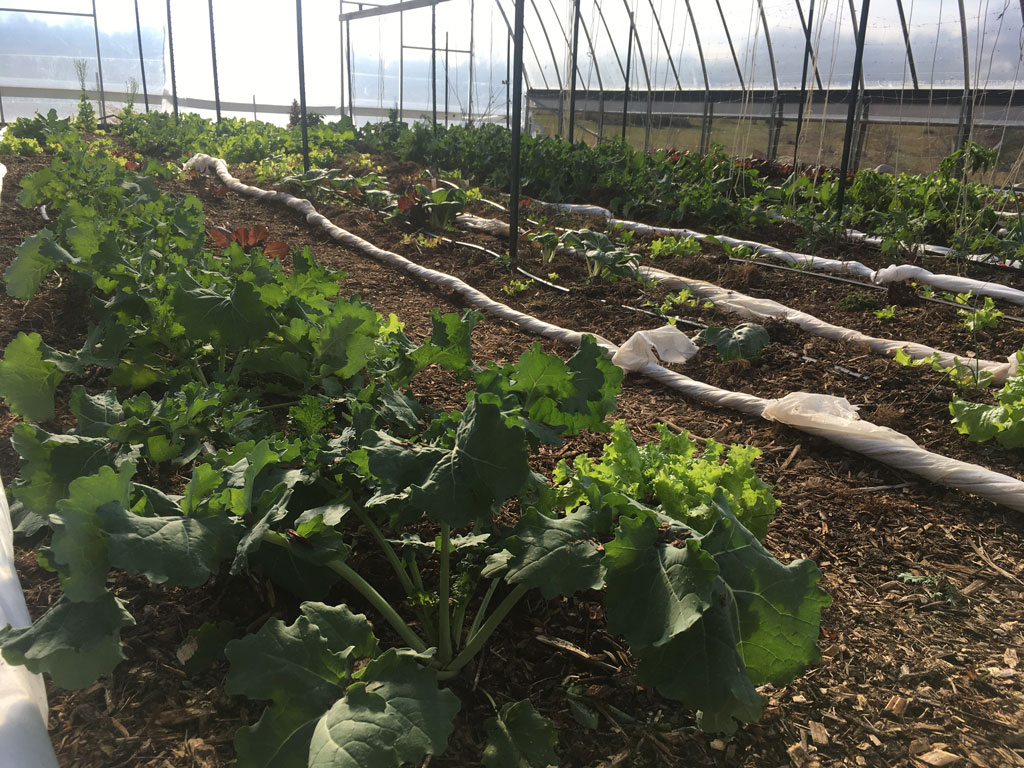
Kale

Scientific NameBrassica oleracea
Growing Days50-65
Varieties We GrowRed Russian, Siberian, Lacinato
Growing Notes Kale is a hardy plant and if you keep cutting it, it will keep growing!
Battle of the BugsCabbage loopers/moths/worms are terribly destructive. We check the leaves daily and try to remove any of the buggers as soon as we see them. Miss a day and you’ll lose those great leaves…even checking we still do.
Fun FactKale can survive temperatures well below freezing and it gets sweeter from a frost or two (it gets bitter in hot temps), so it’s a great winter veggie!
Don’t Waste It!Steam, roast, bake, stir-fry…it’s all delicious!

Herb — Basil

Scientific NameOcimum basilicum
Growing Days60-90
Varieties We GrowGenovese
Growing Notes Basil likes it warm! Also, if you pinch off the top set of leaves, it will grow bushier and more productive.
Battle of the BugsBasil is pretty hardy. Slugs and Japanese beetles might chomp on the leaves, but there is usually enough to share.
Fun FactBasil can be grown year round indoors with the proper lighting. (We’ll have to try that!)
Don’t Waste It!Use basil to flavor all sorts of dishes. Use it fresh or dry the leaves. Yum!

Eggplant

Scientific NameSolanum melongena
Growing Days100-120 days…that’s 4 months!
Varieties We GrowBlack Beauty
Growing NotesEggplant likes it hot; we treat them like tomatoes (they are in the same family, after all).
Battle of the BugsFlea beetles love young eggplant leaves. Hopefully they outgrow them.
Fun FactThe plants can have thorns on the stem…that was a surprise!
Don’t Waste It!Enjoy it fried, sauteed, baked, breaded, stuffed, or roasted.

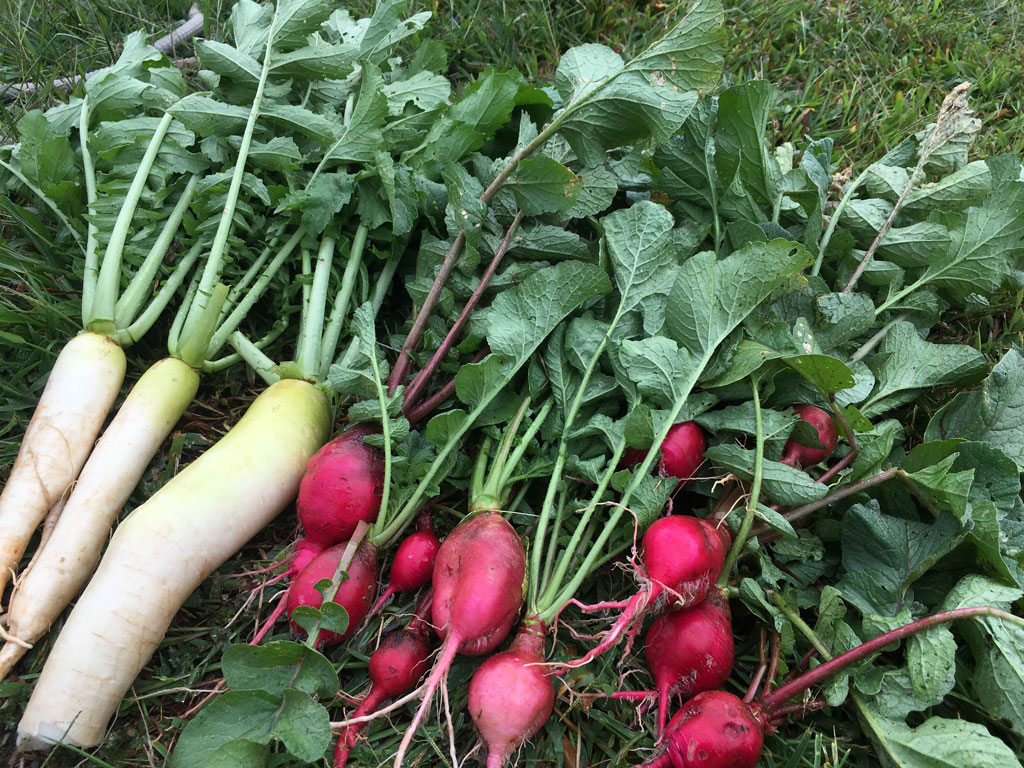
Daikon Radish

Scientific NameRaphanus sativus
Growing Days45-60
Varieties We GrowJapanese Minowase
Growing NotesDaikon radish are pretty self sufficient (hurray!); once seeded, they pretty much take care of themselves. It’s a good idea to thin the seedlings so they don’t compete.
Battle of the BugsThese guys are pretty hardy and we’ve had pretty good luck avoiding serious damage, at least so far!
Fun FactDaikon radish is also called “tillage radish” because it grows so deep (over 12″!) and helps to break up soil. We do that here at Trippy Acres!
Don’t Waste It!Eat it raw, steamed, or sauteed. No need to peel unless you want to. The greens (and seed pods) are also edible!