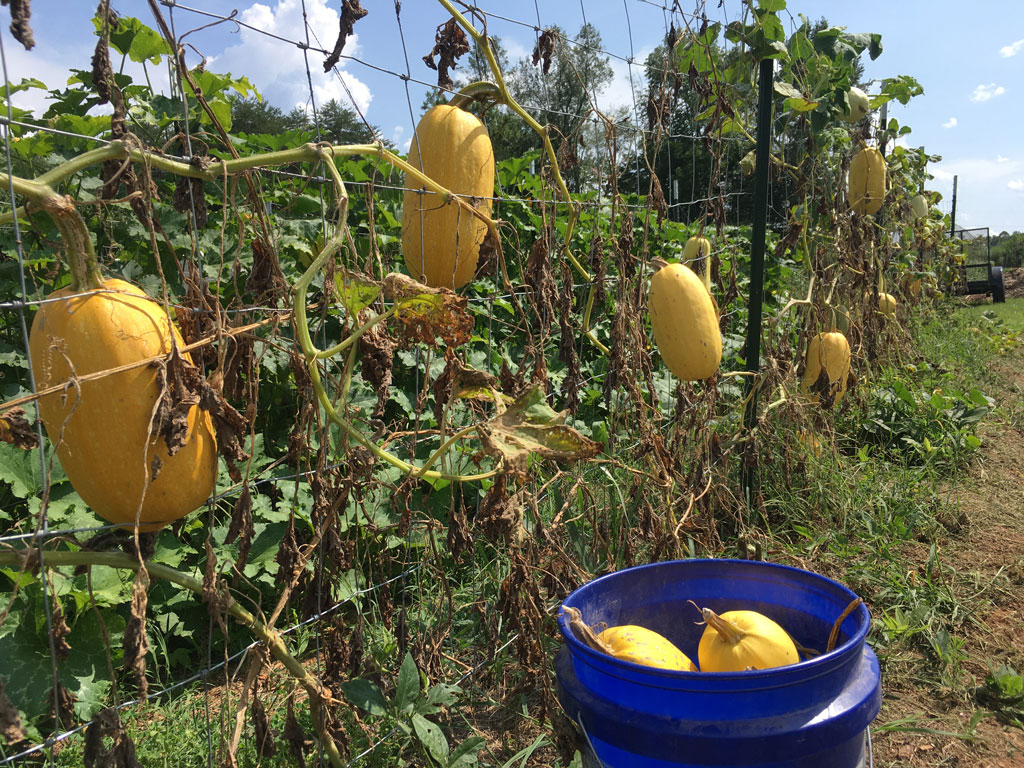
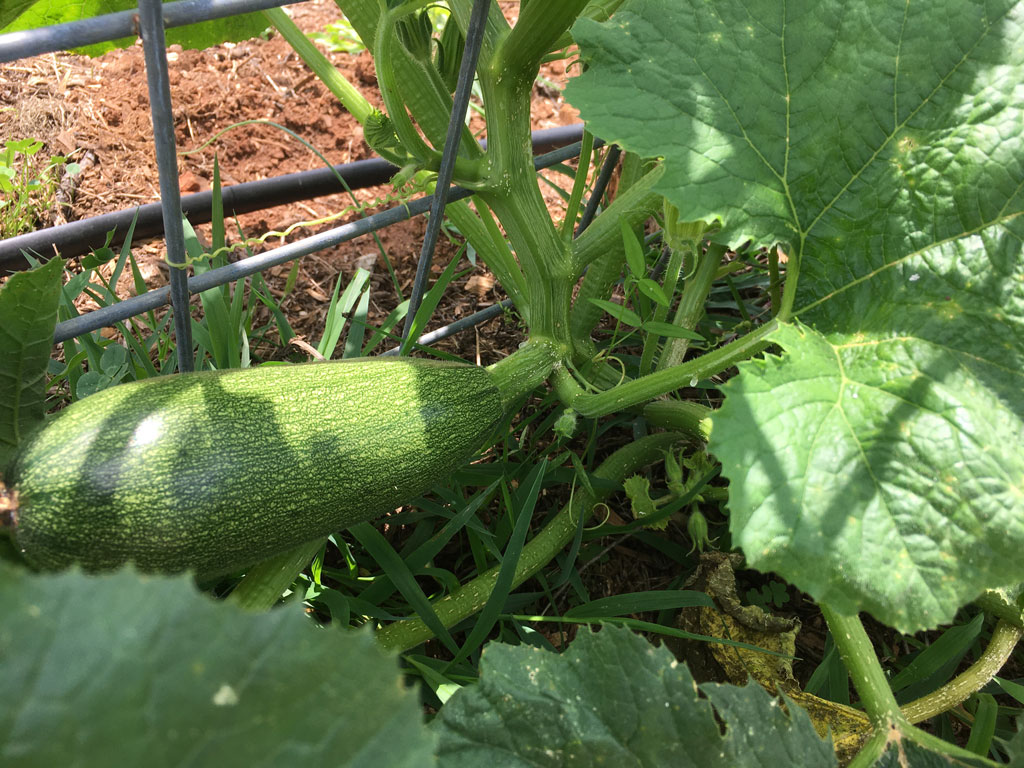
Winter Squash — Spaghetti

Scientific NameCucurbita pepo
Growing Days90
Varieties We GrowIt’s just “Spaghetti”
Growing NotesSpaghetti squash does great on a trellis (as long as it is a strong one). Give it lots of room to grow!
Battle of the BugsThe squash bugs, squash vine borers, and cucumber beetles have destroyed our crop for two years in a row. They are relentless.
Fun FactThe fun part of spaghetti squash is that when you use a fork to scrape it out of the skin, it really does look like spaghetti!
Don’t Waste It!Bake it or roast it. Don’t forget to roast the seeds too!

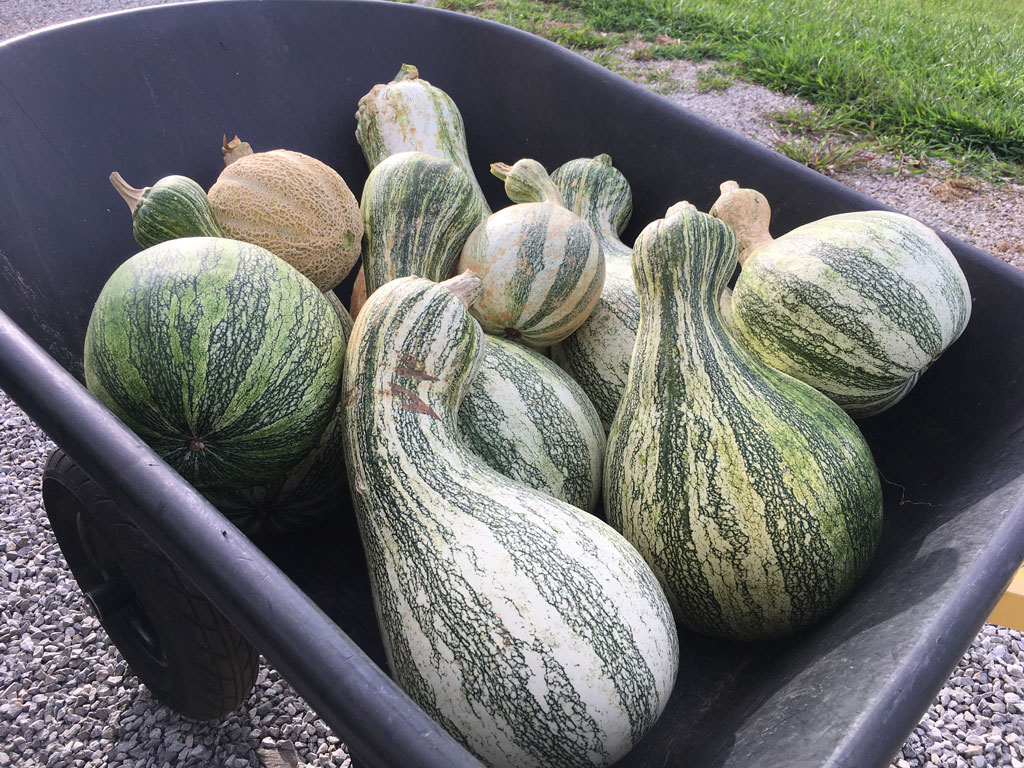
Winter Squash — Green Striped Cushaw

Scientific NameCucurbita argyrosperma
Growing Days115
Varieties We GrowGreen Striped Cushaw
Growing NotesThis cushaw squash gets big. Give it lots and lots of room to grow! Put something under the squash to keep it from rotting on the ground.
Battle of the BugsThis type of squash is resistant to the squash vine borer, so it’s much hardier than most squash plants.
Fun FactThis squash can get over 20 pounds!
Don’t Waste It!Bake it or roast it. Use it as a pumpkin pie alternative. Don’t forget to roast the seeds too!

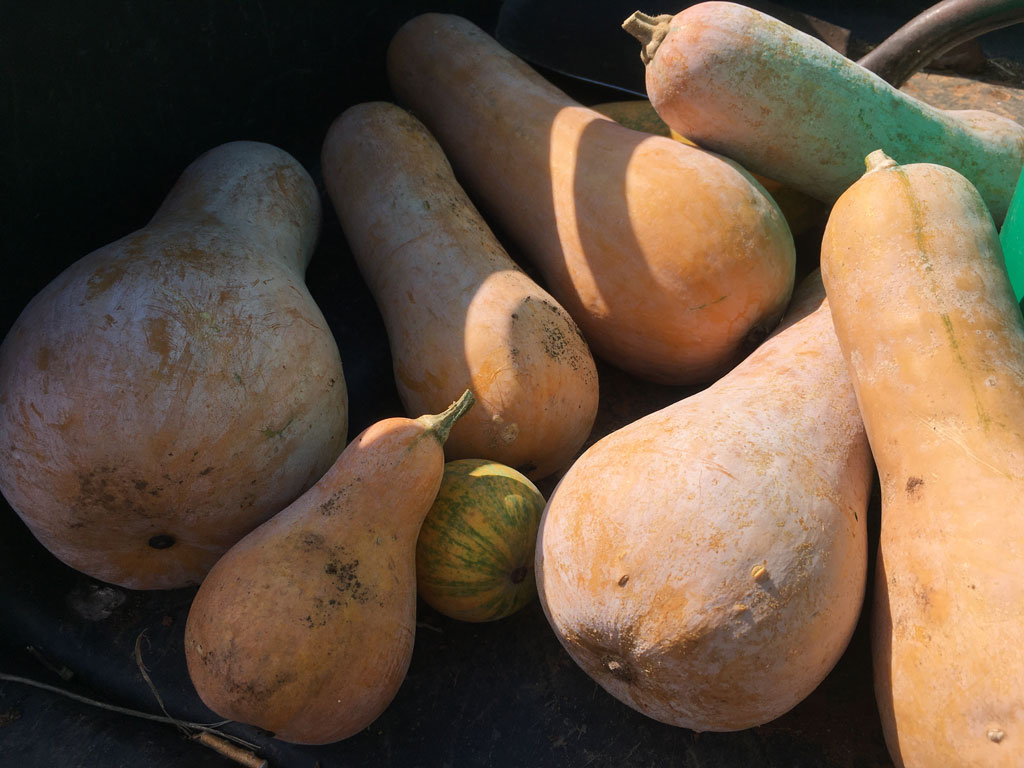
Winter Squash — Butternut

Scientific NameCucurbita moschata
Growing Days100-110
Varieties We GrowWaltham; Orange
Growing NotesButternut squash does great on a trellis as well as along the ground. Give it lots of room to spread!
Battle of the BugsButternut squash is resistant to squash vine borers so that makes it one of the hardier squashes. Squash bugs do take their toll though.
Fun FactButternut squash was developed at the Waltham Experiment Station in Massachusetts, which was is the oldest agricultural experiment station in the United States (est. 1871). 
Don’t Waste It!Enjoy it roasted, steamed, mashed, or pureed. Don’t forget to roast the seeds too!

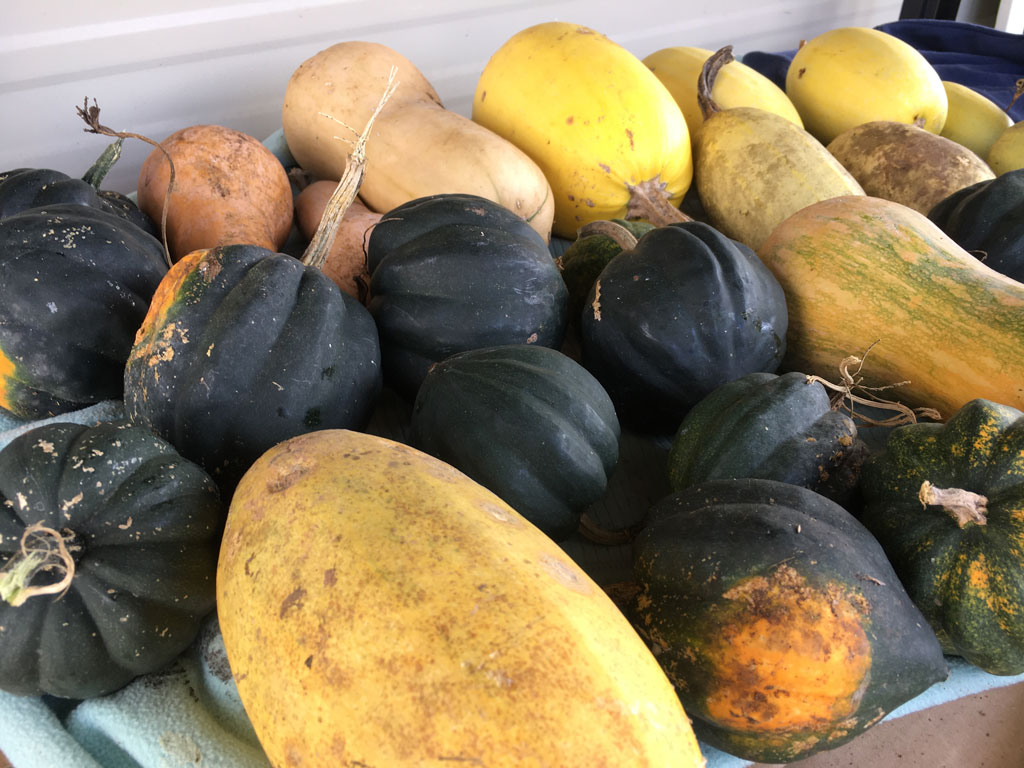
Winter Squash — Acorn

Scientific NameCucurbita pepo
Growing Days90
Varieties We GrowEbony
Growing NotesTrellising acorn squash works great to get them off the ground. Off the ground they don’t get the telltale orange colored spot though indicating it’s time to harvest.
Battle of the BugsSquash bugs, squash vine borer, cucumber beetles…they all do a number on squash plants.
Fun FactSeptember 7th is National Acorn Squash day. Interesting, but…why???
Don’t Waste It!Bake it, roast it, steam it. Don’t ditch the seeds…roast those too!

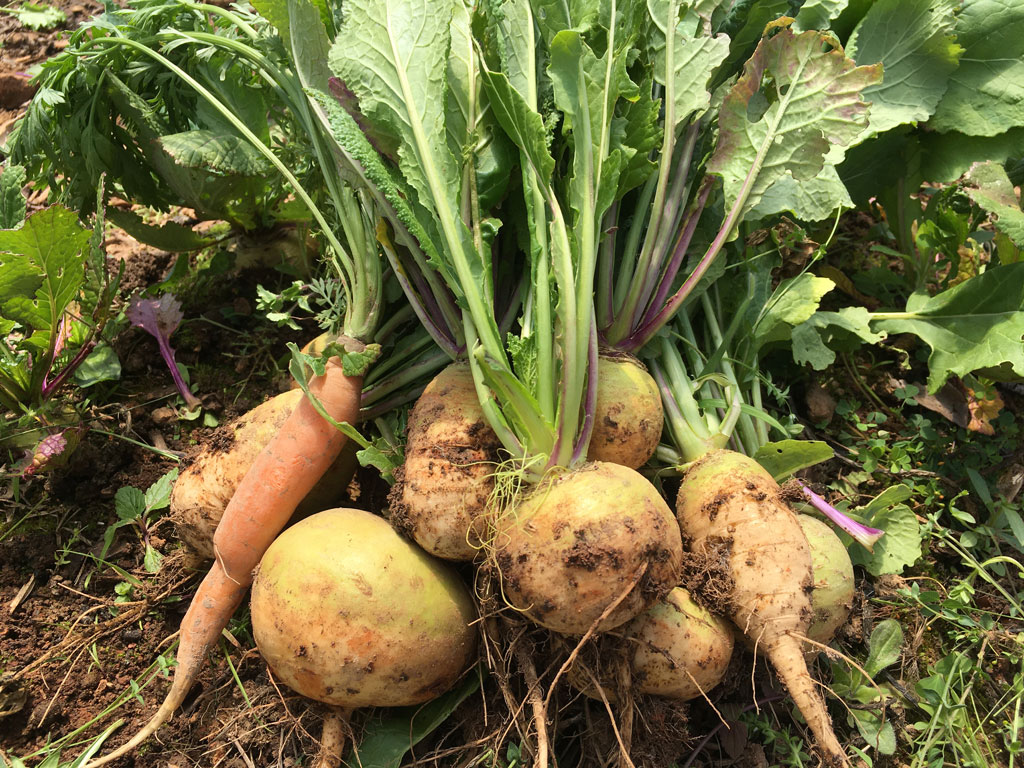
Turnips

Scientific NameBrassica rapa
Growing Days60-70
Varieties We GrowBoule D’Or, Purple Top White Globe
Growing NotesTurnips like it cool and will bolt when the temperature hits 80 degrees. Direct seed them early in the spring and hope you don’t get an early warm spell! Fall sowing is probably more reliable in the South.
Battle of the BugsAphids, flea beetles, stink bugs, snails, and slugs all take a bite.
Fun FactApparently, the Romans liked to hurl turnips at unpopular public figures (don’t take my word for it though…I wasn’t there).
Don’t Waste It!Turnips can be eaten raw, baked, boiled, roasted, or mashed. Don’t forget the greens!

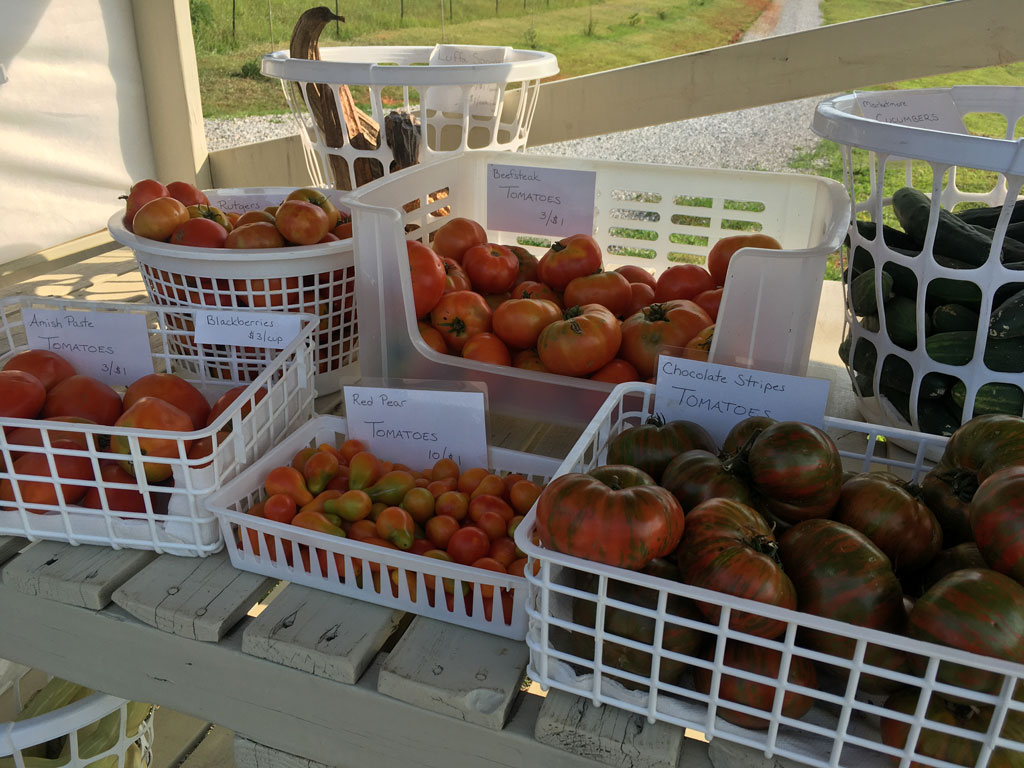
Tomatoes

Scientific NameSolanum lycopersicum
Growing Days60-100
Varieties We GrowAmish Paste, Beefsteak, Cherokee Purple, Cherry Belle, Rutgers, others…
Growing NotesTomatoes take a lot of maintenance to grow. They require trellising and manually training them up the trellis; leaves should be pruned; nutrition and irrigation need to be consistent; plants are really prone to blight and other diseases – it’s not a matter of “if” but “when” they’ll get it.
Battle of the BugsTomato and tobacco hornworms are troublesome, but the worst bugs we’ve faced with our tomato plants so far are the army worms. They destroy fruits quite efficiently.
Fun FactSome people are allergic to tomato plants and get a contact dermatitis (or worse) reaction after touching the leaves. Bummer!
Don’t Waste It!If you love tomatoes, you already know how best to enjoy them 🙂

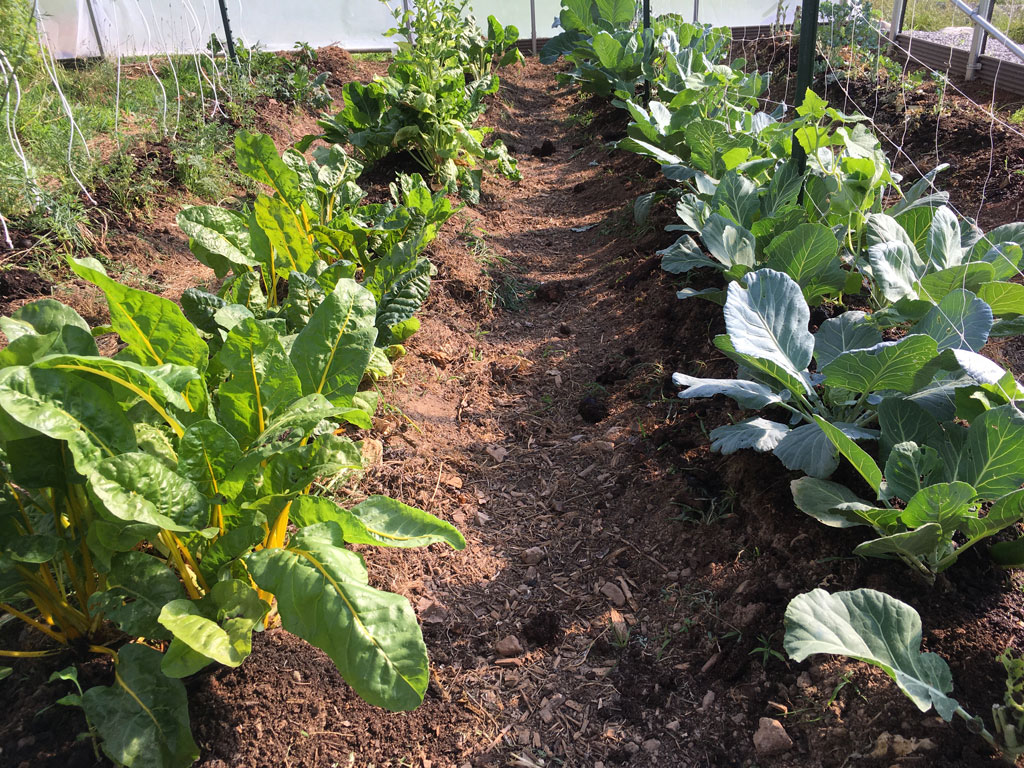
Swiss Chard

Scientific NameBeta vulgaris
Growing Days60
Varieties We GrowOriole, Rainbow, Perpetual Spinach
Growing NotesSwiss chard will keep producing if you harvest the outer leaves and let the inner ones grow; it doesn’t bolt like other greens so it’s a keeper!
Battle of the BugsSnails, slugs, aphids, and leaf miners will take their share but that won’t usually kill the entire plant, so that’s a plus.
Fun FactSwiss chard is related to beets…not kale or collards.
Don’t Waste It!Eat the greens like you would spinach (raw or cooked); save the stems and treat them like asparagus!

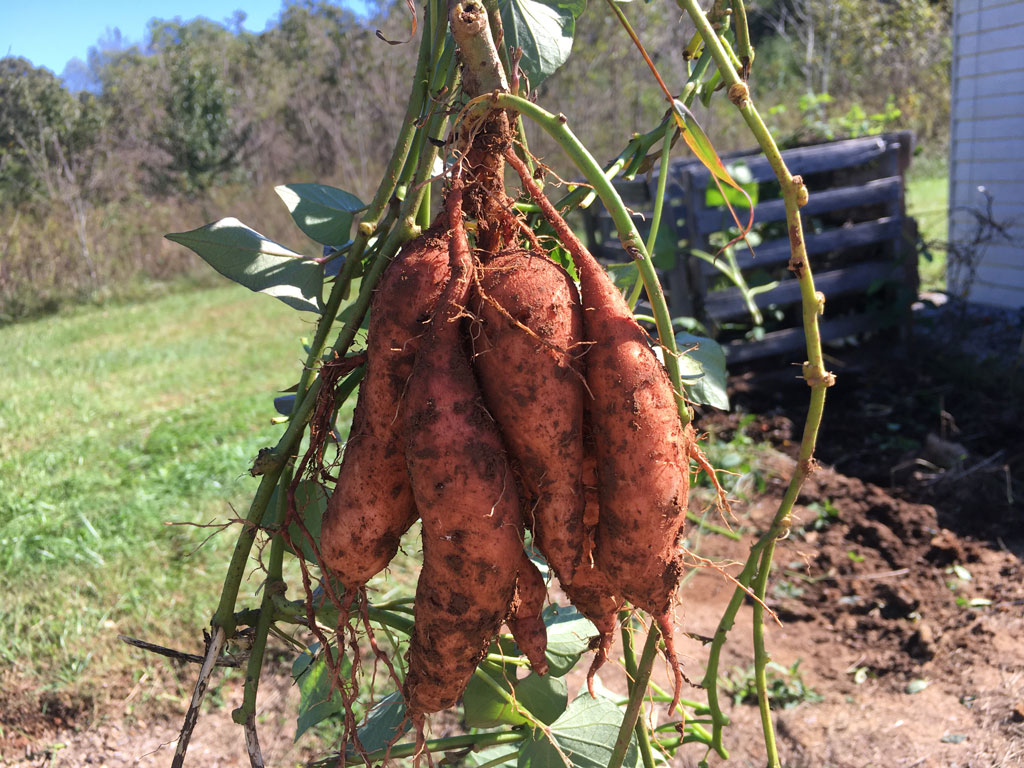
Sweet Potatoes

Scientific NameIpomoea batatas
Growing Days120 – sweet potatoes need a long growing season; they are tropical after all!
Varieties We GrowBeauregard
Growing NotesStart sweet potato “slips” by burying a sweet potato under some soil; when the shoots grow a few inches, pop them off and root them in water.
Battle of the BugsSweet potato plants are pretty hardy once they get established. Though not bugs, deer will do a number on young sweet potato plants. We know this first hand!
Fun FactThe sweet potato plant is a tropical plant and a member of morning glory family. It’s not related to the common potato at all. It’s also different from a yam.
Don’t Waste It!Bake or roast it. Enjoy!

Summer Squash — Yellow, Zucchini

Scientific NameCucurbita pepo
Growing Days50-60
Varieties We GrowBlack Beauty; Golden; Nimba; Yellow Pattypan
Growing NotesZucchini has been a huge challenge for us the past couple of years…see “battle of the bugs” below 🙁
Battle of the BugsSquash bugs, cucumber beetles, and squash vine borers have decimated our summer squash plants. Even with multiple plantings, these bugs are relentless!
Fun FactZucchini is actually a fruit.
Don’t Waste It!No need to peel zucchini; enjoy it raw, steamed, or lightly cooked. Even the large zucchini are still great for eating or baking!

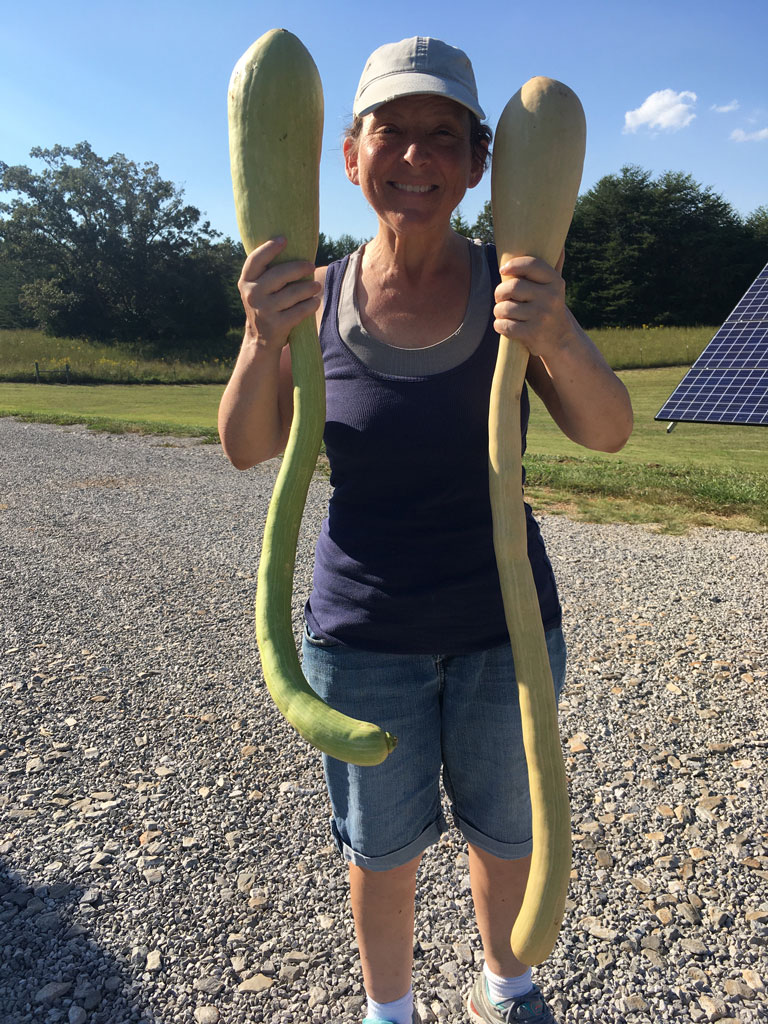
Summer Squash — Tromboncino

Scientific NameCucurbita moschata
Growing Days80
Varieties We GrowTromboncino (aka rampicante)
Growing NotesThis summer squash is pretty resilient compared to most squashes and will produce all summer long.
Battle of the BugsSquash bugs are such a pain.
Fun FactTromboncino squash is fun all by itself…it makes us laugh every time we see one!
Don’t Waste It!This squash tastes even better than zucchini when harvested young; if you let it fully ripen it doubles as a great winter storage squash that tastes a bit milder than butternut squash. It’s the best!