| Scientific Name | Spinacea oleracia |
| Growing Days | 40 |
| Varieties We Grow | Bloomsdale |
| Growing Notes | Spinach bolts as soon as it starts to warm up; it’s probably better as a winter crop in the South. |
| Battle of the Bugs | Aphids, leafminers, snails, and slugs all try to take their share. |
| Fun Fact | Spinach is related to beets and swiss chard and is a member of the “goosefoot” family because of the shape of its leaves (now go search what goose feet look like). |
| Don’t Waste It! | Spinach is great raw, steamed, or stir-fried. |
Scallions
| Scientific Name | Allium fistulosum |
| Growing Days | 60 |
| Varieties We Grow | Bunching |
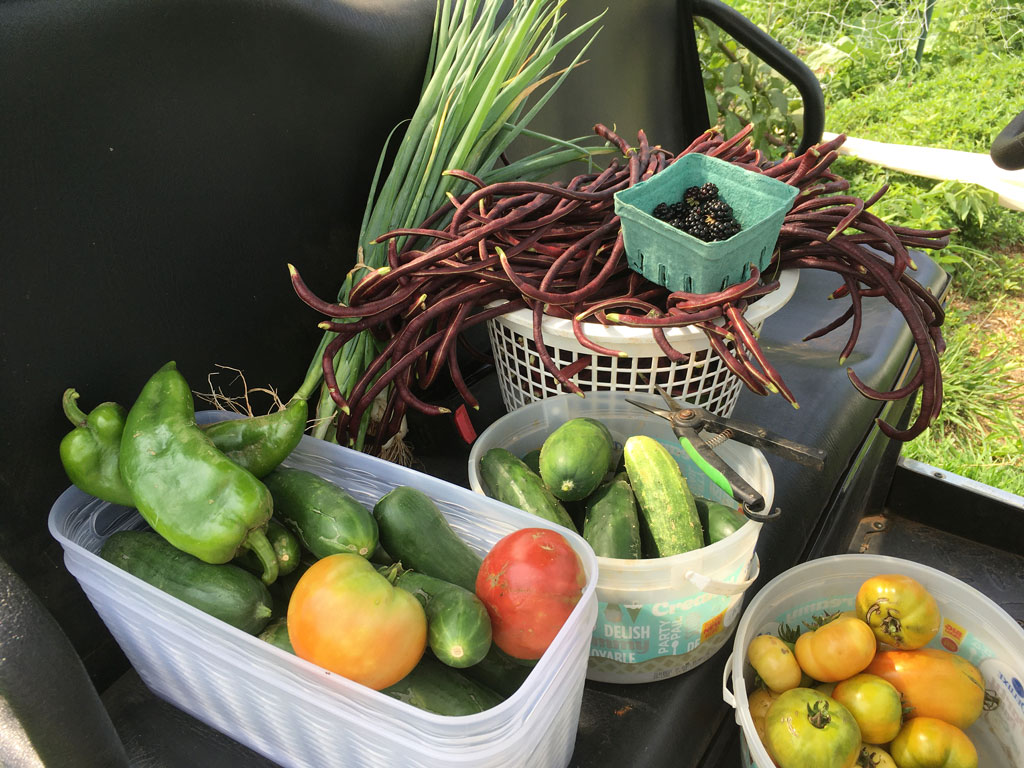
| Growing Notes | Scallions are either young bulbing onions or onions that don’t form much of a bulb and are grown for the green shoots. Bunching onions can be perennial; just cut the outer greens and they should keep growing. Most scallions are just pulled as annuals. |
| Battle of the Bugs | Bugs don’t seem to like the smell 🙂 |
| Fun Fact | Scallions, green onions, and spring onions are all the same thing. |
| Don’t Waste It! | Eat them raw…they are so good! |
Pumpkins
| Scientific Name | Cucurbita pepo; Cucurbita moschata; Cucurbita maxima |
| Growing Days | 100-120 |
| Varieties We Grow | Seminole; Small Sugar |
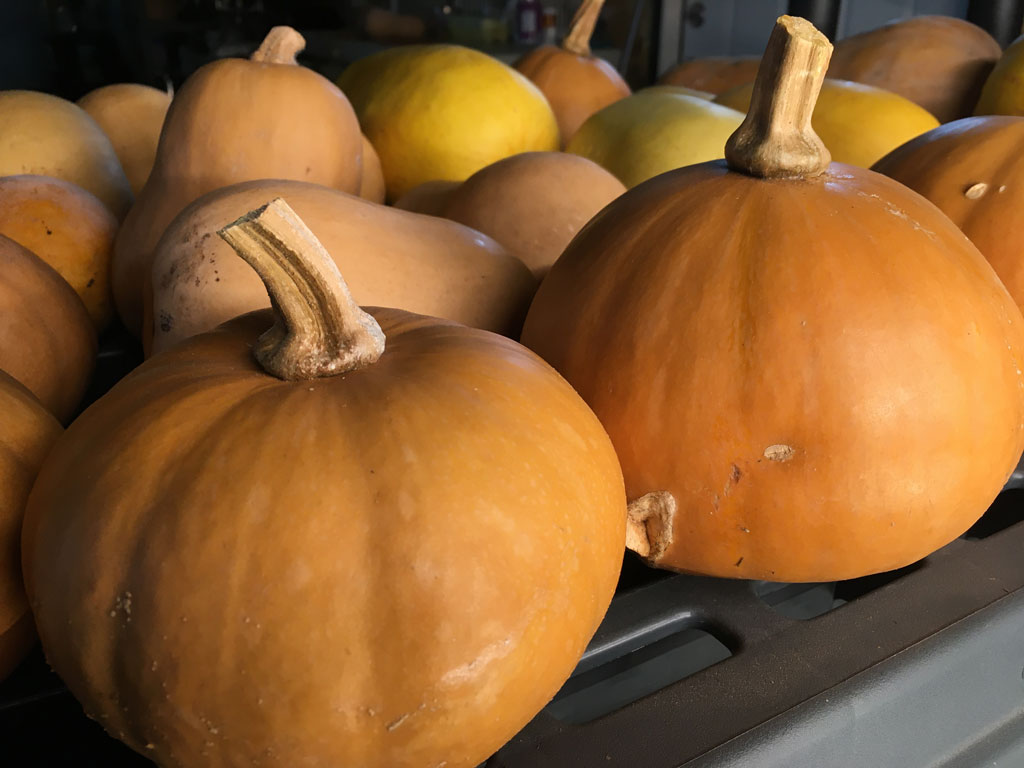
| Growing Notes | Pumpkins need room to grow. They will take up as much space as you give them…and then some! |
| Battle of the Bugs | Squash bugs, cucumber beetles, and squash vine borers are mighty pests. They’ve taken out many of our squash plants! |
| Fun Fact | Apparently, you can scratch a picture or message on a growing pumpkin; it will scar over and then be visible at harvest time. I’m going to try this! |
| Don’t Waste It! | Pumpkins are for more than just carving at Halloween. Bake, roast…treat it like you would any winter squash. Don’t forget to roast the seeds! |
Potatoes
| Scientific Name | Solanum tuberosum |
| Growing Days | 120 |
| Varieties We Grow | Yukon Gold, Kennebec, Red |
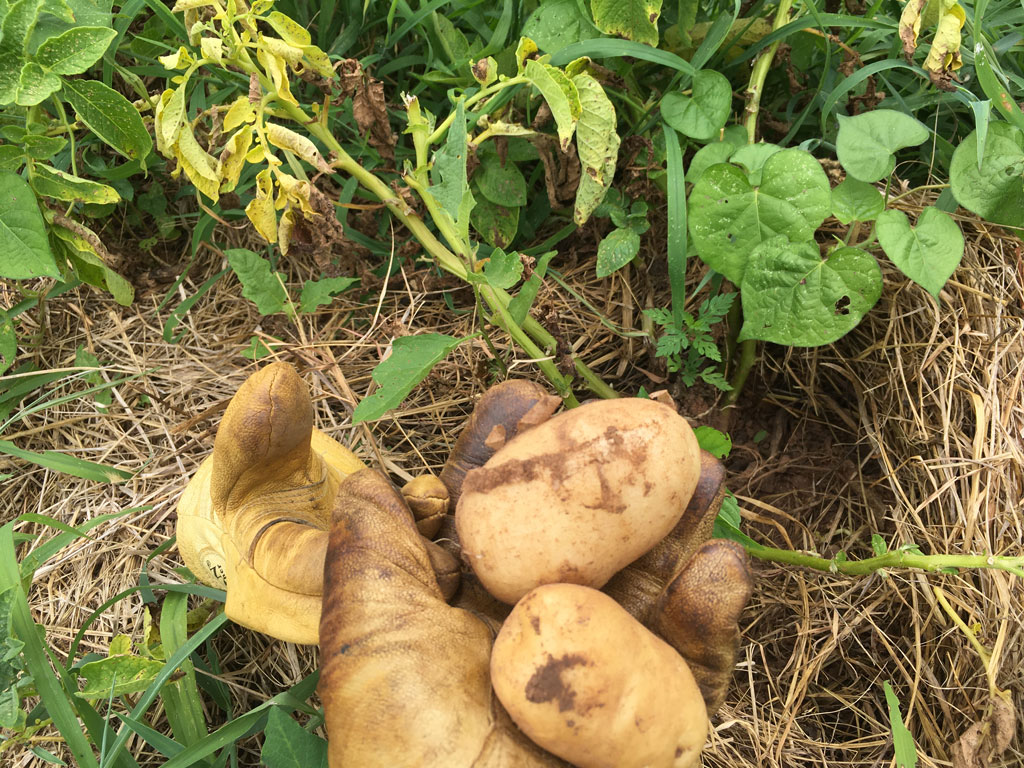
| Growing Notes | Plant cut potatoes that have 1-2 eyes on them. Hill potatoes by mounding them with soil or mulch so the potatoes aren’t exposed to any light. |
| Battle of the Bugs | Colorado Potato Beetles! We hand pick them off of the leaves and try to smush the eggs before they create the next generation. It’s a battle! |
| Fun Fact | Potatoes are in the same family as tomatoes…nightshade. Bonus fun fact…new potatoes are really just immature potatoes. When the plant flowers, the new potatoes are generally ready to harvest. Leave ’em alone and they’ll get bigger! |
| Don’t Waste It! | Bake, roast, boil…yum yum yum! |
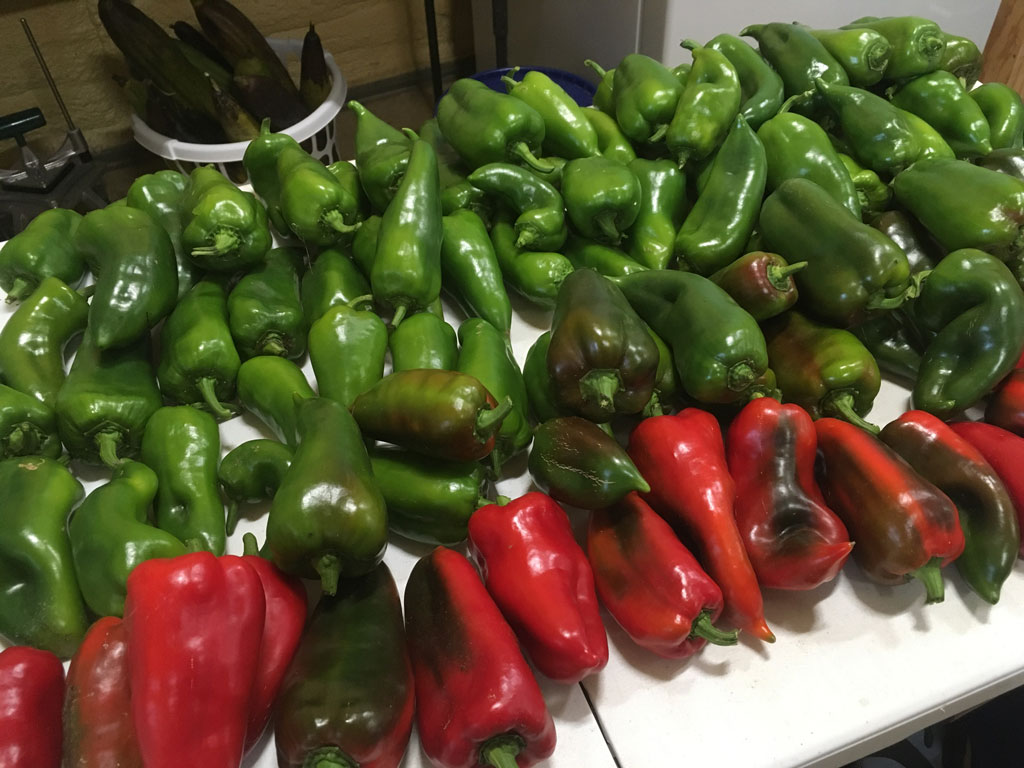
Peppers (Sweet)
| Scientific Name | Capsicum annum |
| Growing Days | 70-75 |
| Varieties We Grow | California Wonder; Horizon; Ajvarski; Yellow Banana |
| Growing Notes | Peppers like it warm! Be patient and wait to put them in the garden for soil temperatures to be at least 65 degrees. |
| Battle of the Bugs | Everything that goes after tomatoes also likes peppers (they are in the same family, after all). |
| Fun Fact | Peppers are technically perennials so if you bring them inside over winter, they just might live for multiple years! |
| Don’t Waste It! | Peppers are tough to grow to full color, so don’t let them go to waste! Eat ’em raw, roasted, or steamed. Cut up peppers and put them in the freezer to save some for later. |
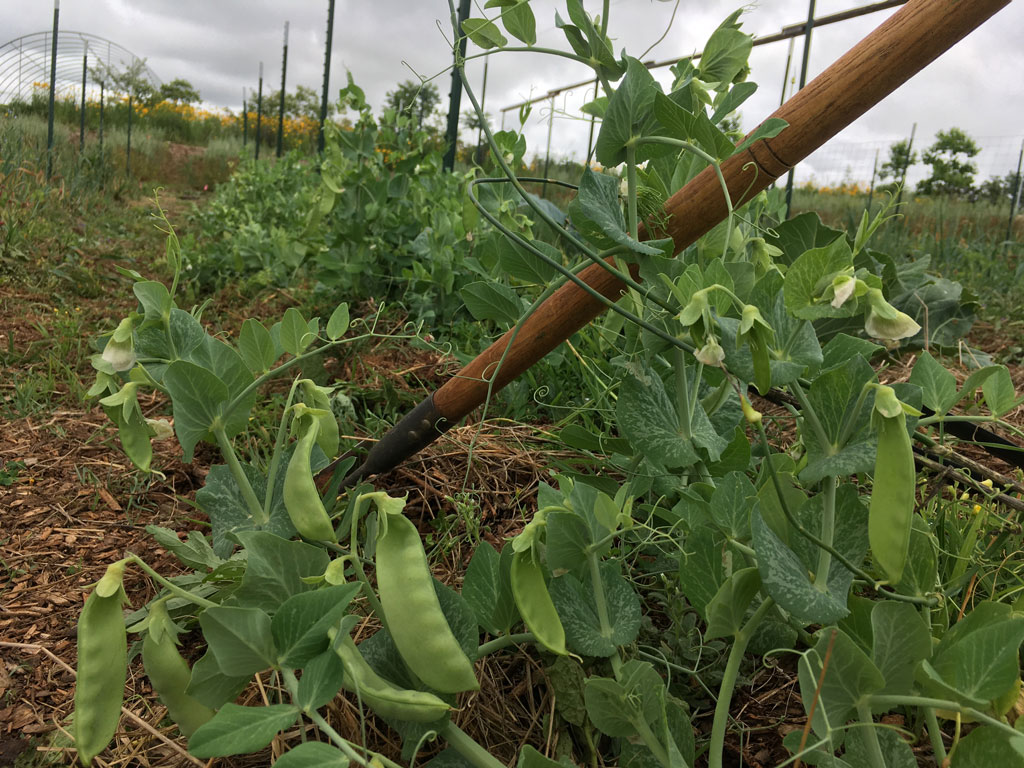
Peas
| Scientific Name | Pisum sativum |
| Growing Days | 60-70 |
| Varieties We Grow | Snow; Snap |
| Growing Notes | Peas like it cool; they are one of the earliest vegetables planted in the spring. Pea seeds don’t have a great germination rate, so it’s best to plant extras. |
| Battle of the Bugs | Aphids, cutworms, and Mexican bean beetles like pea plants. |
| Fun Fact | Green peas are the shelling peas (don’t eat the pods) while snow and snap peas have edible pods. |
| Don’t Waste It! | Enjoy them raw or steamed; just don’t let them sit long or they’ll go to waste. Pea tendrils are also edible! |
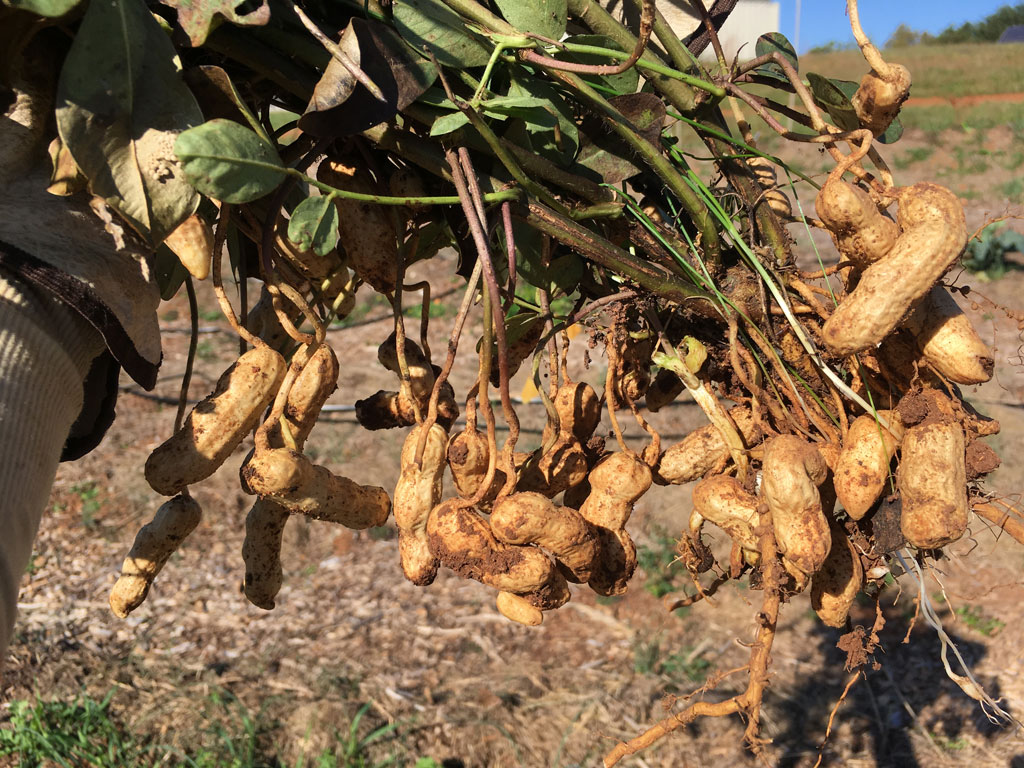
Peanuts
| Scientific Name | Arachis hypogaea |
| Growing Days | 100-130 |
| Varieties We Grow | Tennessee Red Valencia (of course!) |
| Growing Notes | When the plants get about a foot tall, it’s a good idea to “hill” them by mounding soil around them. |
| Battle of the Bugs | Peanut plants seem to be pretty hardy so far (aside from the deer loving them). |
| Fun Fact | Did you know that peanuts are actually not nuts…they are legumes! Bonus fun fact…peanuts grow underground! They flower then send out pegs called “peduncles” that grow into the ground where the peanuts will form. So cool! |
| Don’t Waste It! | Enjoy peanuts raw, roasted, or boiled. |
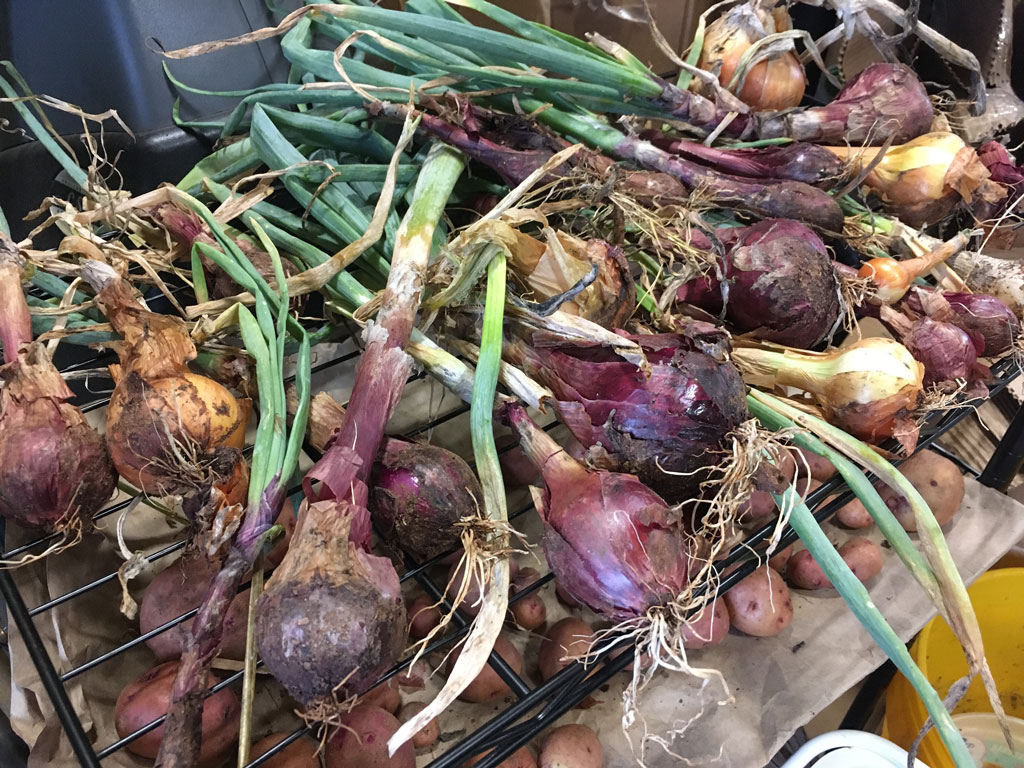
Onions
| Scientific Name | Allium cepa; Allium fistulosum |
| Growing Days | 100-120 |
| Varieties We Grow | Red Burgundy; Texas Early Grande; Bunching |
| Growing Notes | Grow onions from seed (takes a long time!) to get the biggest results; starting from “sets” is easier though. “Sets” are small onion bulbs that are already one year old. |
| Battle of the Bugs | Onions do pretty well in the battle of the bugs. Apparently, the bugs don’t like the smell! |
| Fun Fact | There are “short day,” “intermediate,” and “long day” onions. The northern latitudes get to grow the long day onions since they need 14-16 hours of daylight to form bulbs. |
| Don’t Waste It! | Depending on the variety, eat them raw, steamed, roasted, or cooked just about any way. |
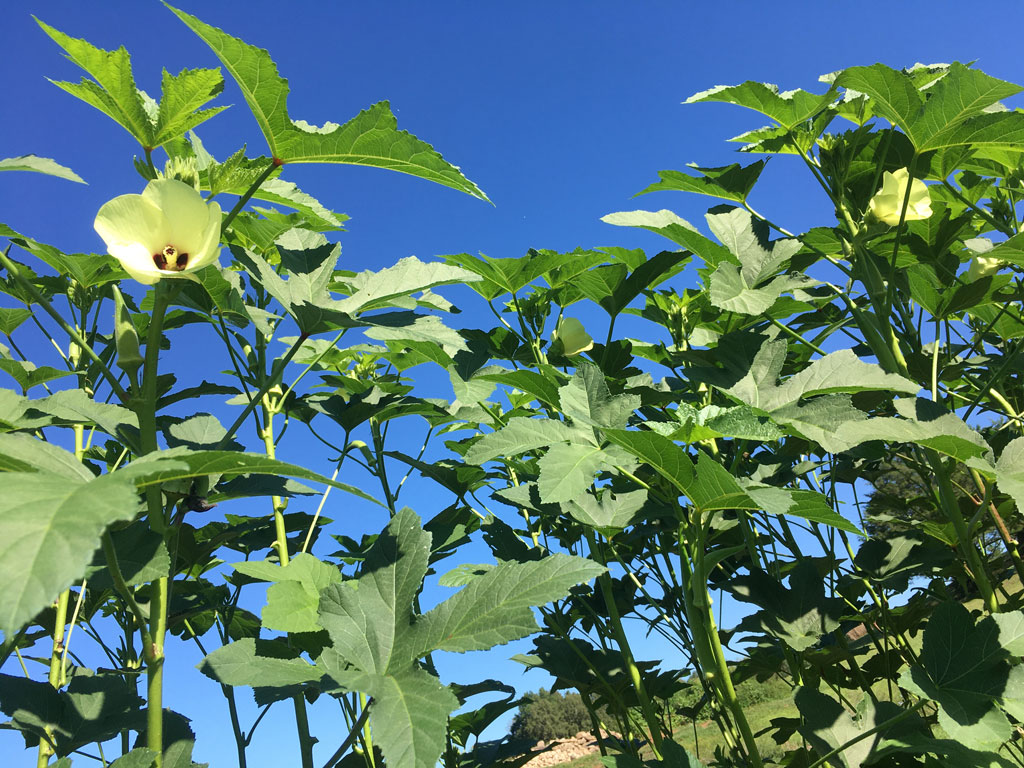
Okra
| Scientific Name | Abelmoschus esculentus |
| Growing Days | 60 |
| Varieties We Grow | Emerald |
| Growing Notes | Okra likes it hot! By the end of summer, it can get 10+ feet tall! |
| Battle of the Bugs | A few of the regulars will go after okra leaves, but it’s overall pretty resilient. |
| Fun Fact | Okra is in the hibiscus family…the flower gives it away. |
| Don’t Waste It! | Enjoy okra roasted, sauteed, or in the southern tradition of breaded and deep-fried. |
Melons — Watermelon
| Scientific Name | Citrullus lanatus |
| Growing Days | 70-100 |
| Varieties We Grow | Sugar Baby |
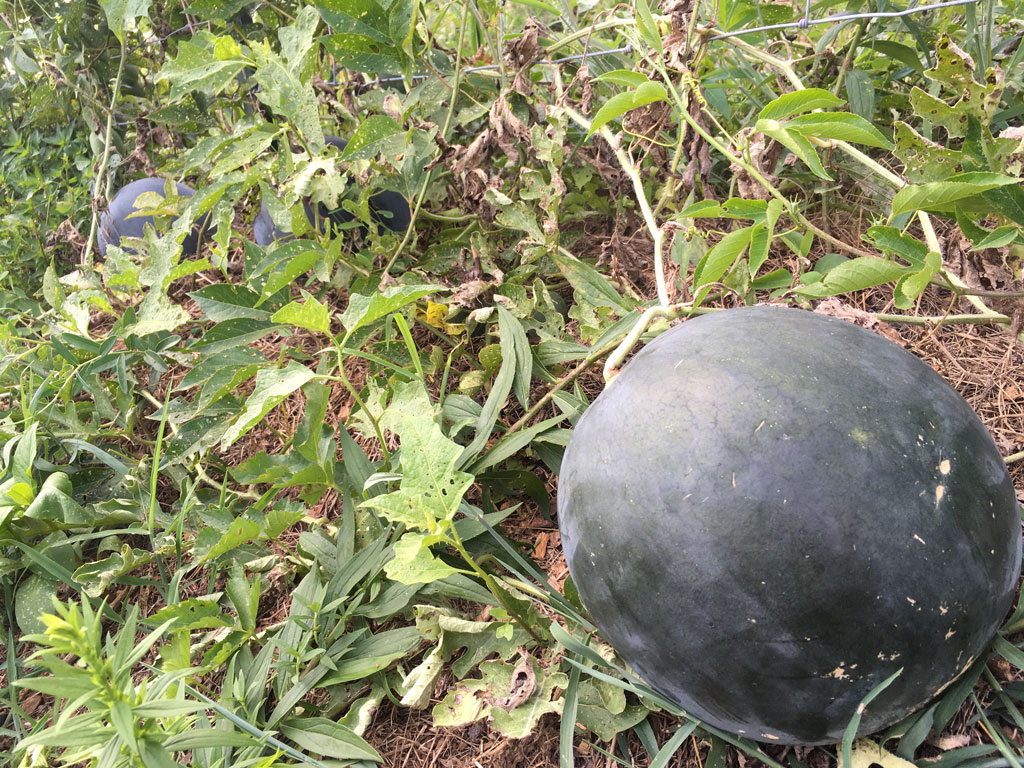
| Growing Notes | One of the trickiest times is figuring out when to harvest a watermelon. We use the tendril method…when the tendril immediately above the fruit is browned, it’s time to pick that fruit and hope it’s ripe, but not overripe! |
| Battle of the Bugs | Cucumber beetles and squash vine borers will go after watermelon vines. They are the worst pests! |
| Fun Fact | Watermelons are 90% water so they are aptly named! |
| Don’t Waste It! | Duh…these are way too delicious to waste! |